
Building or upgrading a PC can feel overwhelming, especially with the huge variety of PC Components available today. From processors and graphics cards to storage, power supplies, and cooling solutions, every choice affects performance, longevity, and cost. Whether you’re aiming for a budget-friendly setup, a high-end gaming rig, or a productivity-focused workstation, selecting the right components requires planning and clarity.
This step-by-step guide will help you choose PC Components that align perfectly with your goals and budget, avoiding unnecessary expenses while maximizing performance. Whether you’re building from scratch or considering a prebuilt or Next Day Gaming PC, this guide will ensure you make informed decisions.
Step 1: Define Your PC Goals Clearly
Before choosing any PC Components, you must understand what you’ll use the PC for. Different use cases demand different hardware priorities.
Common PC Use Cases:
Gaming (esports, AAA titles, VR)
Content creation (video editing, 3D rendering, graphic design)
Office work & multitasking
Streaming & recording
General home use
For example, gamers need a powerful GPU and fast CPU, while content creators may prioritize CPU cores, RAM, and storage speed. Defining your goals early prevents overspending on components you don’t need.
Step 2: Set a Realistic Budget
Your budget plays a major role in shaping your build. Decide on a maximum spending limit and stick to it.
Budget Ranges (Approximate):
Entry-level: Basic gaming and everyday tasks
Mid-range: Smooth 1080p/1440p gaming and productivity
High-end: 4K gaming, streaming, and professional workloads
When budgeting, remember to include:
Core PC Components
Peripherals (monitor, keyboard, mouse)
Operating system
Future upgrade potential
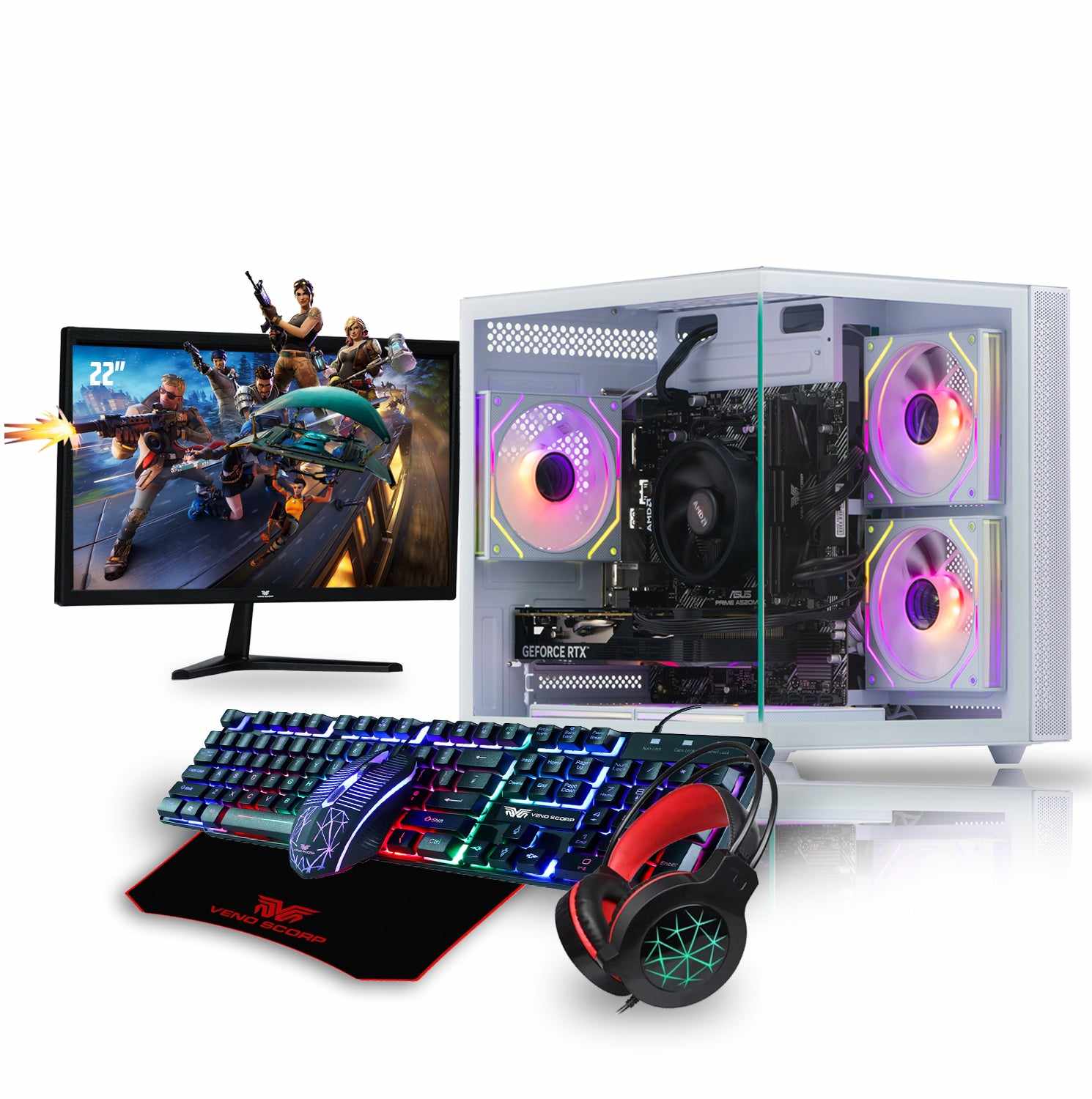
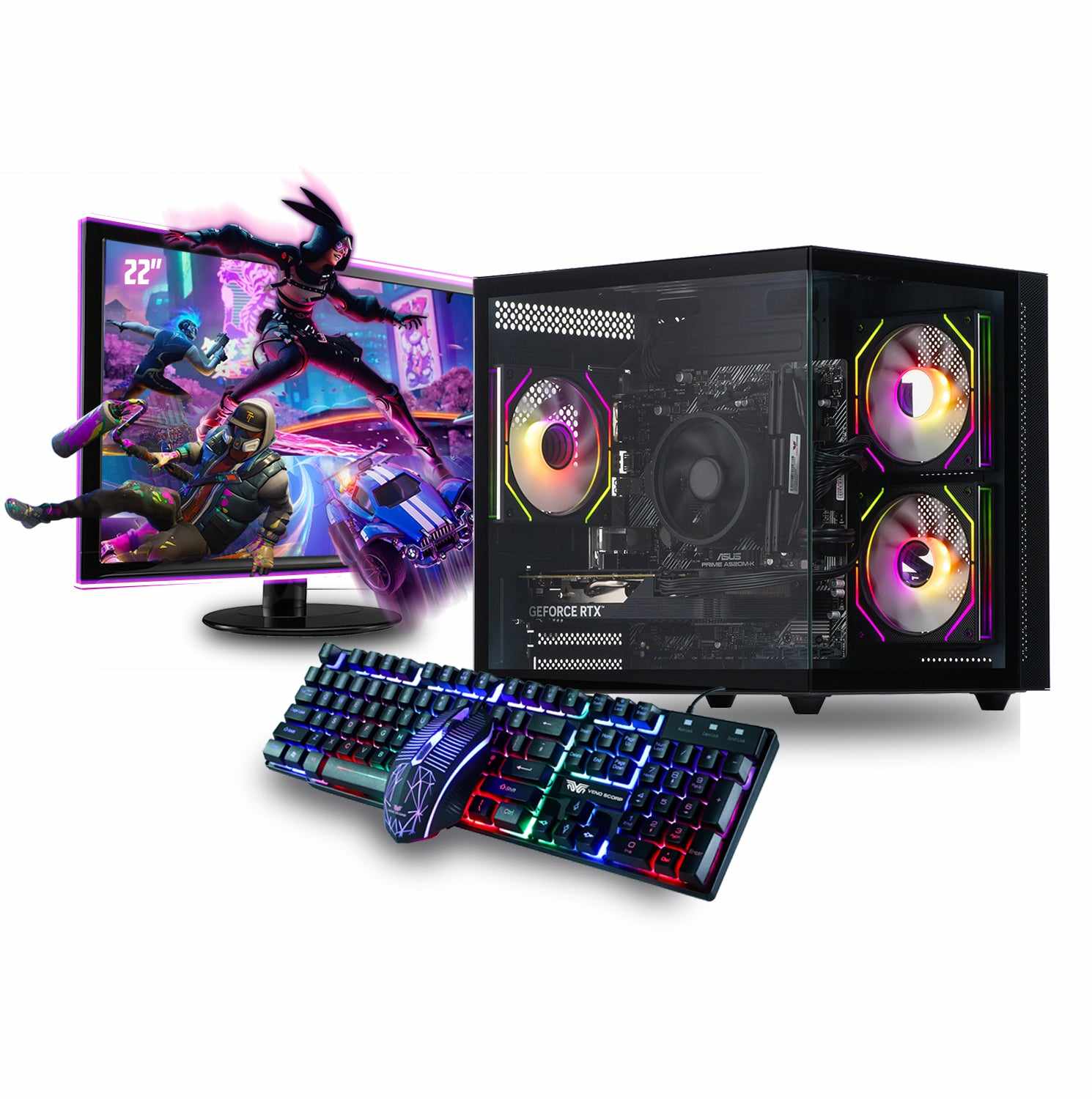
If you’re short on time or unsure, a Next Day Gaming PC can sometimes offer better value by bundling compatible parts and saving setup time.
Step 3: Choose the Right CPU (Processor)
The CPU is the brain of your system and one of the most important PC Components.
How to Choose a CPU:
Gaming-focused builds: Prioritize clock speed and single-core performance
Productivity builds: Look for higher core and thread counts
Budget builds: Balanced performance without overspending
Avoid pairing a high-end GPU with a weak CPU, as this creates a bottleneck. Choose a processor that matches both your budget and performance needs.
Step 4: Select a Suitable GPU (Graphics Card)
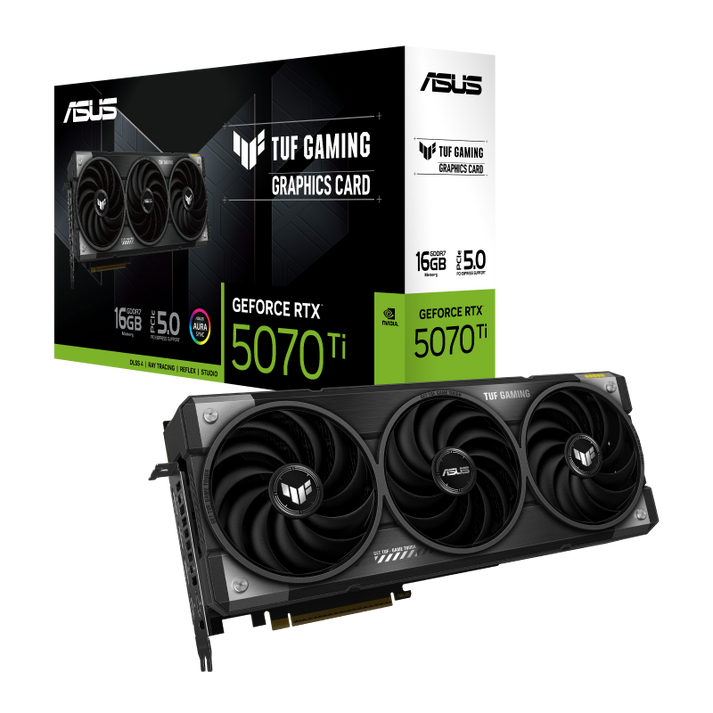
For gaming and creative work, the GPU is often the most expensive PC Component and for good reason.
GPU Selection Tips:
Casual gaming: Entry to mid-range GPUs
Competitive or AAA gaming: Mid to high-end GPUs
Creative workloads: GPUs with more VRAM
Always match your GPU choice with your monitor resolution and refresh rate. Overspending on a GPU without a suitable display wastes money.
Step 5: Pick the Right Motherboard
The motherboard connects all your PC Components, so compatibility is crucial.
What to Look For:
CPU socket compatibility
RAM support and maximum capacity
Storage slots (NVMe, SATA)
Expansion slots
Connectivity (USB, Wi-Fi, Ethernet)
Don’t overspend on features you won’t use, but avoid ultra-cheap boards that limit upgrades or stability.
Step 6: Decide on RAM (Memory)
RAM affects multitasking and overall system responsiveness.
Recommended RAM:
16GB: Ideal for gaming and everyday use
32GB or more: Content creation and heavy multitasking
Choose RAM that’s compatible with your motherboard and CPU, and aim for a balance between speed and capacity rather than just speed alone.
Step 7: Choose Storage Wisely
Storage is often underestimated but plays a huge role in performance.
Storage Options:
NVMe SSD: Fast boot and load times
SATA SSD: Affordable and reliable
HDD: Large storage for files and backups
A common strategy is using an SSD for your OS and main applications, combined with a larger HDD or secondary SSD for storage.
Step 8: Select a Reliable Power Supply (PSU)
The PSU protects all your PC Components and ensures stable performance.
PSU Buying Tips:
Choose a reputable brand
Ensure sufficient wattage for future upgrades
Look for efficiency ratings (80+ Bronze, Gold, etc.)
Never cheap out on a PSU it’s one of the most important components for long-term reliability.
Step 9: Pick a Case with Proper Airflow
Your PC case affects cooling, noise levels, and aesthetics.
Considerations:
Airflow and cooling support
GPU and CPU cooler clearance
Cable management
Build quality
A well-ventilated case keeps your PC Components cool and extends their lifespan.
Step 10: Cooling Solutions – Air or Liquid?
Cooling ensures stable performance and protects your investment.
Air cooling: Affordable, reliable, easy to maintain
Liquid cooling: Better thermals, cleaner look, higher cost
Choose based on your CPU power level and case compatibility.
Step 11: Plan for Future Upgrades
Smart PC building isn’t just about today it’s about tomorrow.
Future-Proofing Tips:
Choose a motherboard with upgrade headroom
Buy a slightly higher-wattage PSU
Leave room for extra storage and RAM
This approach saves money long-term and keeps your system relevant longer.
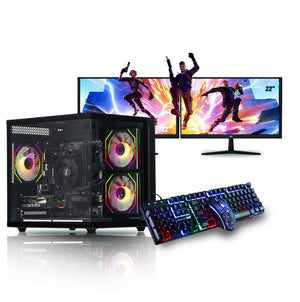
Step 12: Consider Prebuilt or Next Day Gaming PC Options
If building feels complex or time-consuming, a Next Day Gaming PC can be a smart alternative.
Benefits of a Next Day Gaming PC:
Professionally assembled and tested
Guaranteed compatibility
Time-saving and convenient
Often includes warranty and support
For gamers who want instant performance without the hassle, this option combines convenience with reliability.






Write a comment ...